
How to Choose the Right Promotional Products Supplier for Your Organisation
Find the right promotional products supplier in Australia with this expert guide covering quality, turnarounds, MOQs, decoration methods and more.

Written by
Nate Robinson
Tech & Electronics
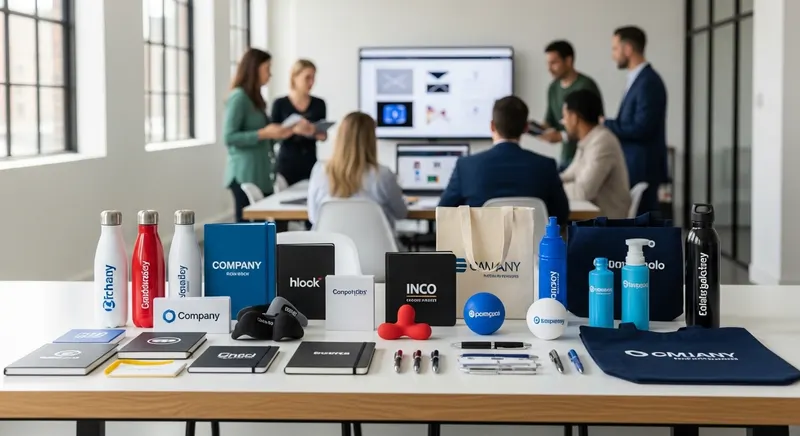
Choosing the right promotional products supplier can feel overwhelming — especially when you’re juggling event deadlines, budget approvals, and the pressure of getting your brand looking sharp. Whether you’re a marketing coordinator at a Sydney-based corporate firm, a school administrator in Brisbane organising a sports carnival, or an event planner in Melbourne sourcing merchandise for a conference of 500 attendees, the supplier you choose will make or break your branded merchandise experience. Getting it right means smoother projects, better products, and a brand that actually gets noticed.
What Does a Promotional Products Supplier Actually Do?
Before diving into how to choose one, it’s worth understanding what separates a quality promotional products supplier from a generic print shop or online store. A dedicated supplier in this space does far more than slap a logo on a t-shirt. They advise on product selection, manage decoration processes, coordinate production timelines, handle artwork preparation, and guide you through the entire fulfilment journey — from initial brief to delivery at your door.
In Australia, the promotional products industry is well-developed, with suppliers servicing organisations from Darwin to Hobart and everywhere in between. The best suppliers maintain relationships with trusted manufacturers, offer a wide product range, and have experienced staff who understand the nuances of decoration techniques like embroidery, screen printing, sublimation, laser engraving, and pad printing.
A good supplier will also help you avoid common pitfalls — like ordering a product that doesn’t suit a particular decoration method, or underestimating turnaround times before a critical event.
Key Factors to Evaluate When Selecting a Supplier
Product Range and Relevance
The breadth of a supplier’s catalogue matters, but relevance matters even more. A corporate client in Perth sourcing gifts for an end-of-year client function has very different needs compared to a Gold Coast sporting club looking for custom caps and jerseys. Look for suppliers who stock products appropriate to your sector and use case.
Some areas worth exploring when assessing range include:
- Apparel: From work polo shirts for men and zip-up hoodies to hi-vis workwear and event staff uniforms
- Bags: Custom tote bags, straw tote bags, wine cooler bags, and branded tote bag merchandise for conferences and expos
- Drinkware: Everything from promotional water bottles to branded keep cups and travel mugs
- Outdoor and events: Promotional umbrellas, branded sunscreen, and even custom soccer balls with your logo for sporting events
- Tech and eco products: Solar-powered branded tech gadgets for sustainability-focused organisations, or USB drives and power banks for conferences
A supplier that stocks a wide and relevant range reduces the need to juggle multiple vendors — saving you time, freight costs, and coordination headaches.
Decoration Capabilities and Quality Standards
Decoration is where the magic happens, and it’s also where things can go wrong if you’re working with an inexperienced supplier. Different products require different methods, and not every technique suits every item or every use case.
For example, embroidery is a premium finish that works beautifully on caps and polo shirts — if you’re based in Sydney, it’s worth understanding what quality Sydney embroidery looks like from a reliable supplier. Screen printing is ideal for large-batch apparel orders, sublimation delivers full-colour results on drinkware and bags, and laser engraving gives a premium feel to metal and timber products.
Outdoor durability is another consideration. If you’re sourcing products for an outdoor event or a client who operates in harsh environments, ask about the UV resistance of different printing methods — a logo that fades after a few weeks in the sun is worse than no logo at all.
Also ask about PMS colour matching, especially if your brand has specific colour standards. A quality promotional products supplier will have systems in place to match your brand colours accurately across different materials and decoration methods.
Minimum Order Quantities and Pricing Transparency
MOQs (minimum order quantities) vary significantly across suppliers and product types. Some items — particularly overseas-manufactured products like custom drinkware or bags — may have MOQs of 50, 100, or even 250 units. Others, particularly locally decorated apparel, may be available from as few as 10–25 pieces.
It’s important to ask about MOQs upfront, particularly if you’re a smaller organisation or running a pilot programme. Be wary of suppliers who aren’t upfront about setup fees, which can vary from $30 to $150+ per colour or decoration location depending on the method. Screen printing, for example, typically involves a screen setup cost per colour — these fees are standard, but they should be disclosed clearly in any quote.
Bulk pricing tiers are worth understanding too. Most suppliers offer discounted unit pricing as quantities increase. If you’re a large organisation ordering across multiple departments — say, an Adelaide government council sourcing branded merchandise for several community events — consolidating orders to hit a higher quantity tier can deliver meaningful savings.
Turnaround Times and Reliability
Turnaround time is often the most stressful element of any promotional products project. Standard production for most custom merchandise runs between 7–15 business days after artwork approval, plus freight time. Rush orders are possible with many suppliers but typically attract a premium, and not all products can be fast-tracked.
If you have a hard event deadline — a Canberra conference in three weeks, a Brisbane school’s athletics carnival next month — be explicit with your supplier from the very first conversation. A reliable promotional products supplier will give you an honest timeline rather than overpromising and underdelivering.
Ask about their proof approval process too. Digital proofs should be provided before production begins, and you should never be expected to approve artwork you haven’t physically reviewed. This is your final safeguard against errors.
Supplier Experience and Specialisation
Some suppliers specialise in particular sectors or product types, and this experience shows. A supplier who regularly works with schools will understand the nuances of student-safe products, limited budgets, and parent committee approval processes. One that focuses on corporate gifting will have curated gift sets, premium packaging options, and experience with larger, more complex orders.
It’s worth looking at case studies, reviews, or examples of previous work to get a sense of a supplier’s output quality. Don’t hesitate to request a sample of a product you’re considering — most reputable suppliers accommodate sample requests for larger orders, sometimes for a small fee that may be credited against your final order.
Red Flags to Watch Out For
Not every promotional products supplier operates to the same standard. Here are some warning signs to keep in mind as you assess your options:
- No clear artwork requirements or file specifications — a professional supplier will be upfront about what file formats they need (typically vector files like .AI or .EPS)
- Vague or missing turnaround commitments — “we’ll try our best” isn’t good enough when you have a fixed event date
- No written quotes or proofs — always get quotes in writing and insist on a digital proof before production
- Unusually low pricing with no explanation — rock-bottom pricing can signal substandard products, poor decoration quality, or hidden fees
- Limited communication responsiveness — slow replies at the quoting stage often predict poor communication throughout the project
Matching Products to Your Audience and Purpose
One of the most valuable things a great promotional products supplier will do is help you match the right products to the right audience. The best merchandise isn’t just the cheapest or the most visually striking — it’s the item that gets used, kept, and seen repeatedly.
For corporate clients, gifts like quality branded trucker hats, premium notebooks, or practical tech accessories tend to hit the mark. Accounting firms sourcing end-of-financial-year gifts might consider branded calculators for accounting clients as a practical, on-brand option. Sports clubs ordering for their membership will gravitate toward items like custom text shirts, bags, and accessories that reflect team identity.
Thinking about the context in which your merchandise will be used — indoor versus outdoor, practical versus commemorative, high-volume giveaway versus premium gift — shapes every product decision. A knowledgeable supplier will ask the right questions to get to these answers quickly.
For bags in particular, the options are broad. From the top-rated branded tote bags in Australia used at trade shows to duffle-style bags for sporting events, understanding the end use is key. And for eco-conscious organisations, wrapping your brand in a reusable bag or sustainable drinkware sends a message that resonates with modern audiences.
Don’t overlook decoration placement either — for cylindrical items like drink bottles and travel mugs, understanding your wraparound printing options for cylindrical merchandise can make a significant difference to the visual impact of your branding.
Working Effectively With Your Supplier
Once you’ve selected a promotional products supplier, the quality of your working relationship matters as much as the products themselves. Clear communication from your end — providing accurate artwork, clear brand guidelines, realistic timelines, and a defined delivery address — makes the supplier’s job easier and reduces the chance of costly errors.
Brief your supplier thoroughly on your audience, your event or campaign goals, your colour requirements, and your budget. The more context they have, the better positioned they are to recommend products that genuinely serve your needs. And don’t leave sample ordering until the last minute — if you want to assess product quality before committing to a full run, factor sample lead times into your overall project timeline.
Conclusion: What to Remember When Choosing a Promotional Products Supplier
Finding the right promotional products supplier is an investment in your brand’s visibility, consistency, and impact. The wrong choice costs time, money, and credibility. The right one becomes a trusted partner who makes your merchandise projects smoother and more effective year after year.
Here are the key takeaways to guide your decision:
- Assess product range first — ensure the supplier stocks items relevant to your sector, audience, and intended use
- Ask about decoration capabilities and confirm they can handle your specific requirements, from colour matching to outdoor-durable printing
- Understand MOQs, setup fees, and pricing tiers before committing — transparency at the quote stage reflects how a supplier operates overall
- Confirm turnaround times in writing and discuss your hard deadlines upfront to avoid last-minute stress
- Look for sector experience and communication quality — a supplier who asks good questions and responds promptly is one you can trust throughout a project
- Request samples where possible, particularly for higher-value or high-volume orders, to verify quality before full production begins
With the right promotional products supplier by your side, your branded merchandise becomes a genuine asset — one that builds recognition, rewards loyalty, and keeps your organisation top of mind long after the event or campaign is over.